Physical
Control and discipline of bodily functions; a methodical and harmonious development of the body.

The foundation
Education, to be complete, must develop the physical, vital, mental, psychic and spiritual aspects of the human being—not separately, but as a whole.
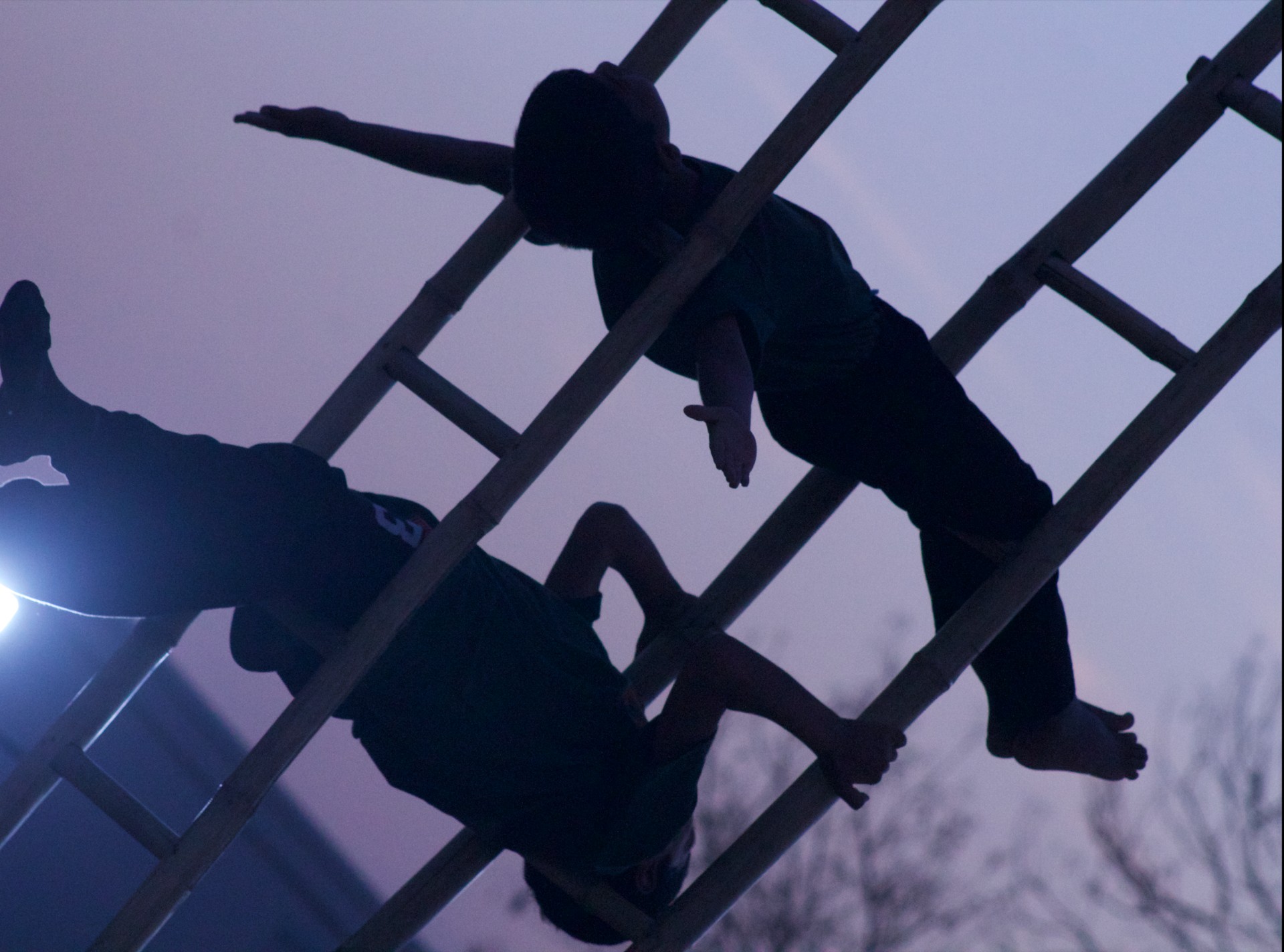
Integral Education is a conscious attempt to create conditions in which what is deepest within the learner can emerge, develop and find expression.
Control and discipline of bodily functions; a methodical and harmonious development of the body.
The training of the senses and transformation of desires, passions, feelings and character.
Observation, attention, concentration, memory, judgement, imagination and mental silence.
Discovery of the inmost soul-being and identification with its quiet guidance.
A widening beyond the separate self towards unity, consciousness and the Divine.
The teacher is not an instructor or taskmaster; the teacher is a helper and a guide.
In practical terms, the teacher creates situations and environments that elicit inner knowledge. There is nothing to “stuff in”; the work is to draw out what is already within.
Each child is unique and has a particular temperament.
The facilitator identifies that temperament and offers learning opportunities through which the child can blossom according to svabhava.
Begin from what is real to the child and available in the immediate environment.
If anything has to be brought from outside, it must be offered, not forced upon the mind.
Free Progress
“Free” refers to a progress not subjected to habits, conventions or preconceived ideas.
The curriculum attempts to evolve a worldview based on the essential interconnectedness of life and the universe. Its living source is every child’s hidden interest and curiosity.
See the curriculum in practice